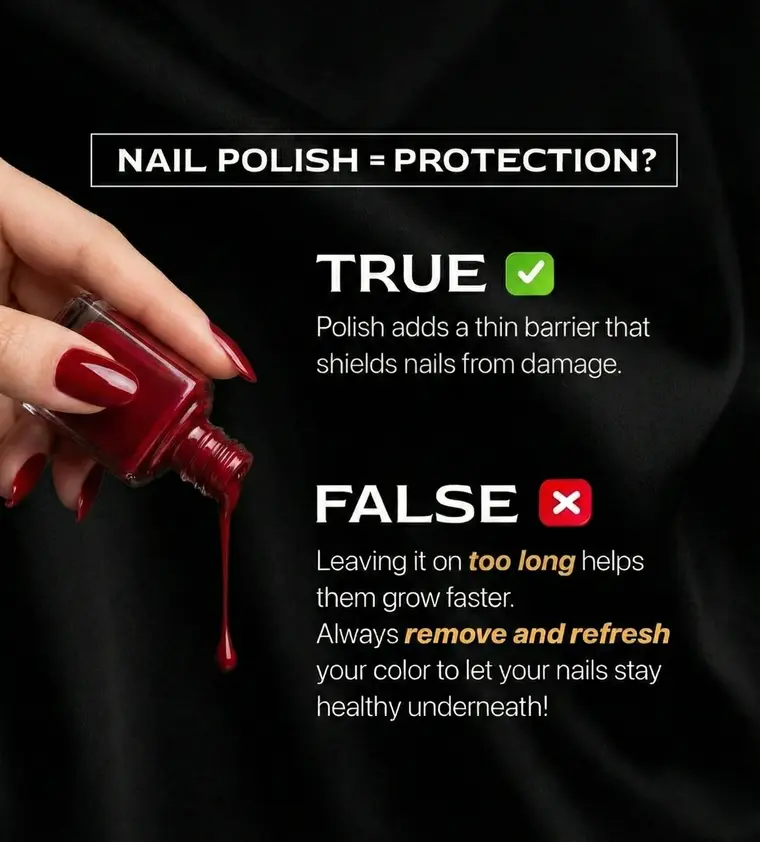
Many people are curious whether nail polish helps protect their nails or causes harm. Some people feel it acts as a shield against everyday wear, while others are concerned it leads to weaker nails. The reality, however, falls somewhere in the middle.
At Enchanted Beauty Spa in Mendota Heights, we share with clients what nail polish can and cannot do for nail health. Here is important information on how polish can provide protection and how to use it responsibly.
Polish Provides a Protective Layer
When applied correctly, nail polish offers a thin, protective coat. This layer helps shield nails from minor damage, environmental factors, and moisture loss.
1. Forms a Physical Shield
Polish creates a durable finish over the natural nail. This shield guards against surface scratches, small bumps, and daily wear. It also cuts down on friction from tasks like typing or cleaning, which may otherwise weaken nails.
2. Blocks Water Absorption
Nails soak up moisture quickly, causing them to expand and contract. Over time, this can diminish nail strength. Polish acts as a barrier, minimizing water entry so nails remain steadier.
3. Lessens Breakage
A smooth finish helps prevent nails from snagging or splitting, allowing them to glide past fabric and other materials without catching.
4. Helps Retain Moisture
Polish can lock in the natural oils in the nail plate, keeping nails adaptable and less prone to splitting or peeling.
Polish Should Not Stay On Too Long
It’s a misconception that leaving polish on for an extended period helps nails grow or get stronger. This is not accurate.
1. Encourages Moisture and Bacteria Buildup
Worn polish can trap moisture between the nail and coating, creating perfect conditions for bacteria and fungus. This may lead to staining, infection, or weak nails.
2. Hinders Nail Checks
Leaving polish on too long prevents you from spotting discoloration or damage early, allowing issues to go untreated.
3. Can Cause Staining
Darker shades, especially without a base coat, can stain nails yellow or gray over time.
4. May Lead to Brittle Nails
Continuous use with no breaks can cause nails to become fragile, as chemical exposure builds up.
Tips for Safe, Protective Nail Polish Use
To get the benefits of nail polish while minimizing risks, follow these steps:
1. Start With a Base Coat
Always use a base coat to protect from staining and create a smooth foundation for polish. It also improves how well the polish adheres and lasts.
2. Change Your Polish Regularly
Replace your polish every week or two to avoid moisture buildup and ensure you can keep track of nail health. For gel polish, removal is best after 2–3 weeks.
3. Give Nails Breaks Occasionally
Periodic breaks from polish, especially if you notice yellowing or brittleness, give your nails time to recover. Use these breaks to hydrate nails with oil or hand cream.
4. Gentle Removal
Use removers without acetone when possible and avoid peeling polish. For gel, ensure proper soaking or seek professional removal to avoid damaging your nail plate.
5. Keep Nails and Cuticles Moisturized
Polish protects externally but nails still need hydration. Apply cuticle oil daily for optimal flexibility and health.
When Your Polish Routine Needs Attention
Look out for signs that your polish habits may be unhealthy:
- Discoloration or yellowing
- Brittle, thin, or dry nails
- Frequent white marks or new ridges
- Nails flaking or peeling
- More frequent breakage
If you spot these warning signs, pause your polish routine and focus on moisturizing and gentle care until your nails improve.
Maintain Strong, Beautiful Nails
Nail polish can shield and enhance your nails if used properly and maintained wisely. Change your color on schedule and monitor your nail health to ensure polish remains an asset rather than a drawback.
📞 Call to book: (651) 372-1335
📍 Location: 772 N Plaza Dr, Mendota Heights, MN 55120
For healthy, protected nails, trust the expertise of Enchanted Beauty Spa.